FarleyFile
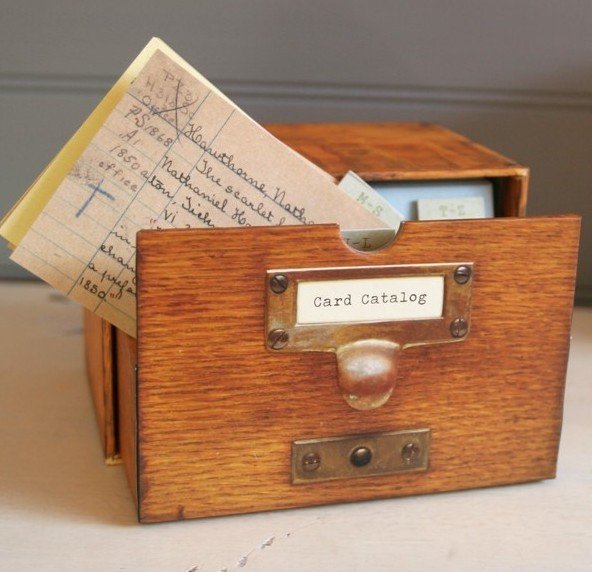
In the late 1990’s I was tasked with introducing a Customer Relationship Management (CRM) database to sales departments of several corporations. I would typically begin the presentation with the “kingmaker,” James Aloysius Farley. Farley was responsible for Franklin D. Roosevelt’s rise to the presidency in 1928.
What made Farley such an incredible campaign manager was his unique customer relationship management (CRM) system. Using a system of tabbed index cards, he was able to organize them by name and location. Each card was carefully maintained with personal details such as connections, likes, dislikes, even birth dates of spouses and children. He would update each card with notes about the last conversation FDR had with them. As the train approached a new town he would carefully go over the details with FDR, as well as being able to whisper details into his ear during meetings. Local government leaders and businessmen felt an affinity and rapport with FDR, and it was this personal touch which attributed to his incredible success.
Modern CRM allows companies to build out workflows which generate automated emails based on triggers such as product expiration or changes in activity. You can also feed scripts to streamline call center conversations. However, the real power of CRM still remains with the perceived intimacy through knowledge. Customers feel a close familiarity and friendship, and as such providing the salesperson with winning hand.